
Best China Rabbit Vibrator Supplier for Global Buyers?
Choosing the best China Rabbit Vibrator supplier for global buyers requires more than comparing factory prices. A reliable partner should combine product safety, consistent manufacturing, responsive communication, and documented quality control. Buyers should inspect silicone specifications, motor performance, waterproof testing, battery protection, packaging, and batch inspection records. Small details matter. A loose charging port can damage customer trust quickly.
Sexual-health educator Dr. Jill McDevitt emphasizes, “A good product should support comfort, communication, and choice.” This principle should guide every supplier evaluation. A professional Rabbit Vibrator manufacturer should understand body-safe materials, ergonomic design, discreet packaging, and user-friendly controls. It should also provide clear product data, realistic lead times, and transparent responses when problems occur. Certifications and laboratory reports deserve careful review, not blind acceptance. Documents can be incomplete. Suppliers should explain their testing scope and renewal dates.
For global buyers, the strongest supplier is not always the cheapest option. Experience with international shipping, private labeling, quality inspections, and after-sales support can reduce hidden costs. Ask for samples from current production, not only polished showroom units. Compare noise levels in a quiet room, charging time, vibration consistency, and surface finish. These practical checks reveal weaknesses early. I would also question unusually fast delivery promises. They may be genuine, but they require verification. A thoughtful sourcing process protects brand reputation and helps buyers build a dependable Rabbit Vibrator product line across different markets.
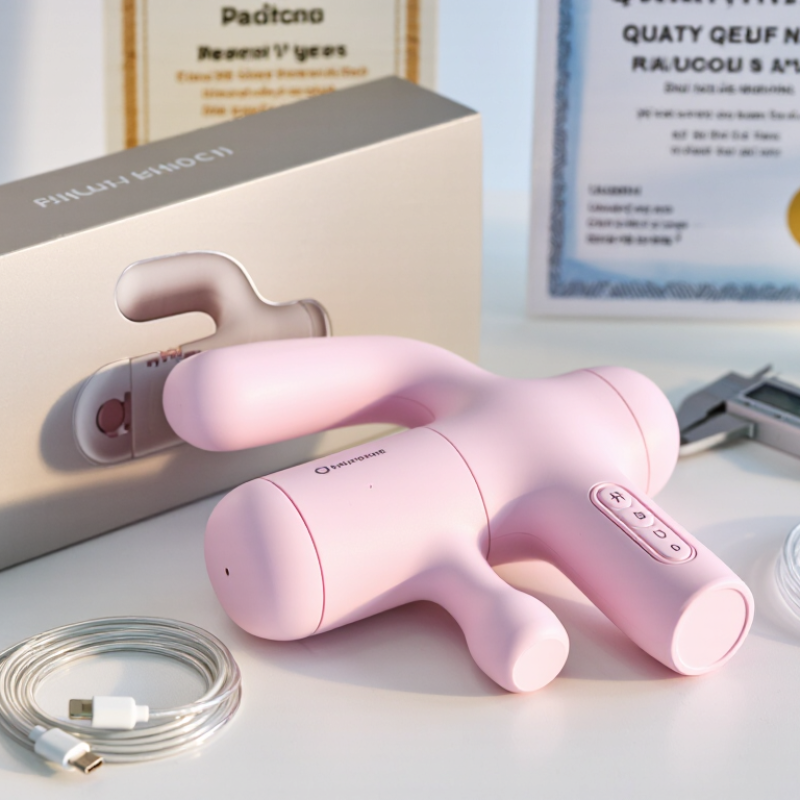
What Defines a Reliable China Rabbit Vibrator Supplier?
A reliable China rabbit vibrator supplier should prove quality through repeatable processes, not attractive catalog photos. Ask for material specifications, safety test reports, and clear production records. Body-safe silicone, stable motors, secure charging ports, and smooth seams require documented inspection. Vague answers are warning signs.
Samples reveal practical details. Check button response, vibration consistency, noise, charging time, and waterproofing claims. Inspect the surface under bright light. A small seam or loose cap should not be ignored. It may reflect wider process problems. Suppliers should explain how they test each batch, including electrical safety and packaging integrity. The explanation should be specific.
Communication matters as much as manufacturing. A dependable supplier confirms order details, lead times, carton dimensions, and replacement procedures in writing. Private packaging and accurate shipping documents support professional distribution. They should also understand the destination market’s product, labeling, and import requirements. No supplier is perfect. Honest responses are more valuable than exaggerated promises. During sourcing, request a pre-production sample and an inspection before shipment. Keep records of revisions. This feels slower, but it prevents expensive misunderstandings. A supplier willing to discuss defects, improve designs, and share traceable documents is easier to trust over time.
Best China Rabbit Vibrator Supplier for Global Buyers? - What Defines a Reliable China Rabbit Vibrator Supplier?
| Evaluation Dimension | What Reliable Suppliers Should Demonstrate | Suggested Buyer Benchmark | Evidence to Request | Common Warning Signs |
|---|---|---|---|---|
| Product Safety and Materials | Clear material specifications for body-contacting parts, including silicone or ABS components, coatings, lubricants, and adhesives. | Material information should be documented for every product version and color option. | Bill of materials, material declarations, safety test reports, and representative samples. | Vague descriptions such as “premium material” without technical specifications or test documentation. |
| Quality Management | Consistent incoming-material inspection, in-process controls, final inspection, and traceable corrective actions. | Written inspection procedures, batch records, and defined acceptance criteria for appearance and function. | Quality manual, inspection checklist, sample inspection report, and audit records where available. | Quality decisions based only on visual inspection or verbal assurances. |
| Electrical and Battery Safety | Controls for rechargeable cells, charging circuits, overheating, short circuits, overcharging, and transport requirements. | Each rechargeable model should have product-specific electrical and battery documentation. | Battery specifications, charger details, electrical safety test reports, UN 38.3 documentation for lithium batteries, and shipping classification information. | Unidentified battery cells, generic chargers, overheating during testing, or missing transport documents. |
| Regulatory Readiness | Ability to identify the applicable requirements in each destination market instead of relying on one universal certificate. | A documented compliance plan covering electrical, chemical, labeling, packaging, and radio requirements when applicable. | Declarations of conformity, laboratory reports, technical files, labeling artwork, and market-specific compliance statements. | Expired reports, certificates issued for a different model, or claims that one mark covers every country. |
| Factory Capability | Suitable molding, assembly, charging, testing, cleaning, and packaging processes for the requested product type. | The supplier should explain which processes are performed in-house and which are subcontracted. | Factory audit, process flow chart, equipment list, production photos or video, and subcontractor controls. | Unclear production location, inconsistent answers, or dependence on unidentified third parties. |
| Product Performance | Stable vibration output, acceptable operating noise, reliable controls, secure seals, and repeatable charging performance. | Approve a production sample against written specifications before mass production. | Golden sample, functional test records, cycle testing results, charging test procedure, and defect limits. | Performance claims without measurable test methods or significant differences between samples. |
| Water-Resistance Claims | Any ingress-protection claim is linked to a specific model, design configuration, and test method. | Do not accept “waterproof” as a technical rating; verify the stated IP level and its limitations. | IP test report, sealing design details, user instructions, and production leak-test records where applicable. | A water-resistance claim with no IP rating, test report, or charging-safety instructions. |
| Customization and Tooling | Clear control of molds, artwork, firmware, packaging files, and approval samples. | All tooling ownership, revision control, and change-approval responsibilities should be written into the contract. | Tooling agreement, engineering drawings, approved artwork, color standards, and change-control procedure. | Unauthorized design changes, unclear tooling ownership, or refusal to provide pre-production samples. |
| Minimum Order and Cost Transparency | Pricing is separated into product, packaging, tooling, testing, sampling, freight, and payment-related costs. | Request a written quotation with validity period, incoterm, lead time, and quantity-based pricing. | Formal quotation, pro forma invoice, tooling quote, sample invoice, and a complete landed-cost estimate. | Unexpected fees, unusually low pricing, or material and packaging costs omitted from the quotation. |
| Production Lead Time | Lead times are based on confirmed specifications, available capacity, tooling status, and component supply. | Use milestone dates for sampling, approval, production, inspection, and dispatch rather than one broad estimate. | Production schedule, capacity confirmation, component lead-time summary, and delay-notification procedure. | Guaranteed short lead times without capacity data or written responsibility for delays. |
| Packaging and Documentation | Packaging protects the product, supports required labels, and includes clear charging, cleaning, storage, and safety instructions. | Approve packaging artwork and user documentation before production; localize instructions where required. | Packaging sample, user manual, warning labels, carton specifications, barcode files, and recycling information where applicable. | Missing warnings, inaccurate operating instructions, weak packaging, or labels that do not match the product. |
| Pre-Shipment Inspection | The supplier accepts independent or buyer-authorized inspection before shipment. | Use a defined sampling plan, functional checklist, packaging check, and agreed defect classification. | Inspection report, product photos, quantity reconciliation, and corrective-action records. | Pressure to ship before inspection or refusal to correct documented nonconformities. |
| After-Sales Support | A documented process exists for defects, replacements, spare parts, firmware issues, and customer complaints. | Agree on response times, warranty scope, return handling, and defect-rate thresholds before placing the order. | Warranty terms, complaint form, replacement policy, service contacts, and corrective-action workflow. | No written warranty, slow communication, or responsibility disputes after delivery. |
| Communication and Traceability | The supplier provides consistent information and can trace products by model, batch, date, and key components. | Use written specifications, version numbers, approval records, and batch identification on commercial documents. | Technical datasheet, revision history, batch code format, communication log, and approved sample record. | Conflicting specifications, undocumented changes, or inability to identify the production batch. |
Related Posts
-

China Best Rabbit Vibrator Manufacturer?
-

2026 How to Choose the Best Rabbit Vibrator for Your Needs?
-

How to Choose the Best Rabbit Vibrator for Your Needs?
-

What are the Best Rose Vibrators for Ultimate Pleasure?
-

2026 Top Dildos for Every Preference and Budget?
-
What Makes Bullet Vibrators Unique: A Deep Dive into Their Features and Benefits