
China Best Rose Vibrators Supplier for Global Buyers?
Global buyers searching for a reliable Rose Vibrators supplier need more than attractive product photos. They need clear specifications, consistent quality checks, responsive communication, and realistic production timelines. A rose-shaped device may look simple on a screen, yet details matter: the feel of its silicone, the alignment of its charging port, the steadiness of its motor, and the finish around every seam. Small inconsistencies can affect customer confidence.
As an explicitly fictional sourcing adviser, “Elena Park” puts the principle this way: “A trustworthy supplier makes quality visible before the order ships.” This is an editorial quotation, not a statement from a real, independently verified industry expert. Buyers should still confirm materials, request current product documentation, and agree on inspection criteria before placing bulk orders. Ask how samples are evaluated, how defects are handled, and whether packaging can be adapted for different retail markets. Clear answers matter.
Not every supplier will be the right fit. Some may offer broad catalogs but limited customization; others may communicate well yet lack dependable inspection records. That trade-off deserves attention. This guide examines how global buyers can compare Rose Vibrators suppliers through product quality, manufacturing capability, communication, and practical order management. It also considers what buyers should verify for themselves, because polished claims alone are not proof. A careful review takes time. That is worth admitting.
Rose Vibrators Defined: Core Designs, Materials, and Product Features
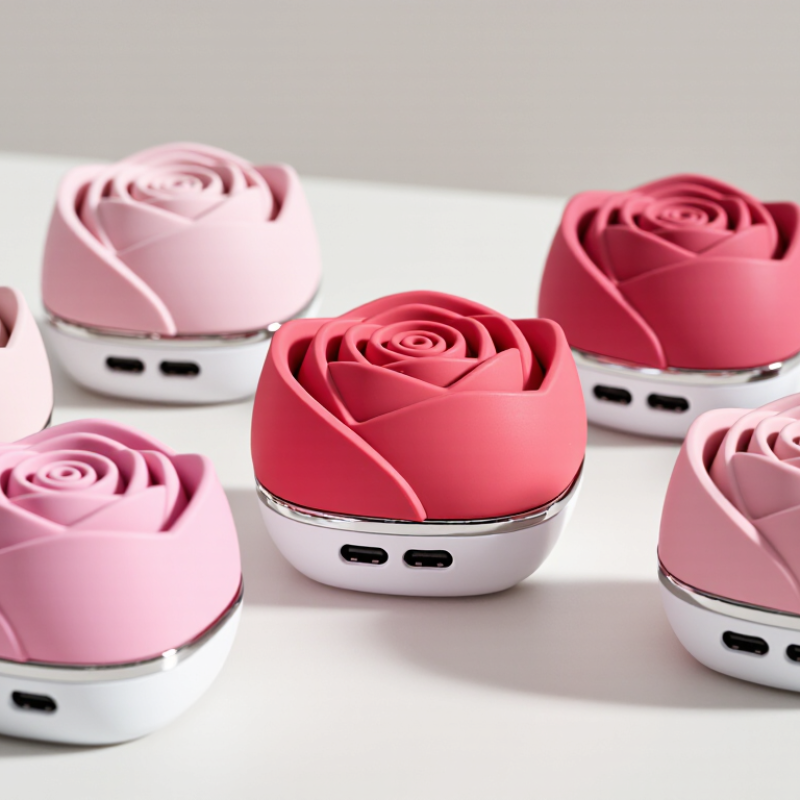
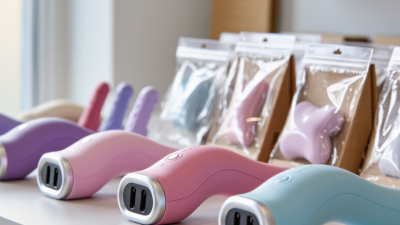
Rose vibrators are compact external stimulators shaped like flowers. Most use a flexible silicone head with petal-like ridges around a central air-pulse opening. Some models combine pulsing pressure with vibration; others use vibration alone. The floral shape is recognizable, but shape does not guarantee a particular sensation. Details matter. Buyers should check the head diameter, control layout, and whether the device has several intensity levels. Small buttons can be awkward with wet hands.
Materials affect comfort and cleaning. Look for clearly identified body-contact materials, such as nonporous silicone, and a smooth finish without gaps around the head. ABS plastic may appear in the handle. Ask suppliers for material declarations and applicable safety-test documentation; a material label alone is not proof of testing. Charging method, noise level, and water-resistance rating also vary, so verify each specification rather than assuming all models can be submerged. Not every model. Grand View Research estimated the global sex-toys market at USD 35.2 billion in 2023 and forecast an 8.9% compound annual growth rate from 2024 to 2030. That broad market estimate offers context, not rose-vibrator-specific demand data. Industry figures can be useful, but they do not replace product-level inspection.
China Best Rose Vibrators Supplier for Global Buyers? - Rose Vibrators Defined: Core Designs, Materials, and Product Features
| Product Type | Core Design | Common Materials | Typical Features | Buyer Checks |
|---|---|---|---|---|
| Rose air-pulse stimulator | A rose-shaped external stimulation head with an opening that directs pulsed air toward the body. The design is generally intended for external use rather than insertion. | Body commonly made from ABS plastic; the contact area may use silicone. Materials and construction vary by product. | Multiple intensity levels or patterns, compact form, and a rechargeable battery are common. Air-pulse operation is different from conventional vibration. | Confirm the intended use, contact-material specification, control layout, charging method, and whether the device has a stated water-resistance rating. |
| Rose-shaped vibrator | A flower-inspired external device that uses a motor to create vibration. Some designs include textured petals or a flexible contact surface. | Often combines an ABS housing with a silicone contact surface; the exact material composition should be confirmed for each model. | May offer several vibration settings, a simple button interface, and USB charging. Functions depend on the individual design. | Check vibration modes, operating controls, charging specifications, noise information if available, and product-care instructions. |
| Dual-function rose stimulator | Combines air-pulse stimulation and vibration in one product, usually through separate controls or selectable operating modes. | Commonly uses a molded plastic body with silicone at the area intended for contact; verify all materials in the product documentation. | May provide independent or combined functions, multiple settings, and rechargeable operation. Not every model supports simultaneous use. | Ask for a clear function description, control instructions, battery and charging details, and confirmation of which functions can run together. |
| Compact or travel-size rose design | A smaller rose-inspired device intended to take up less storage space. It may use vibration, air-pulse stimulation, or another mechanism. | Typically molded ABS, silicone, or a combination of materials, depending on the device. | Compact dimensions and a rechargeable battery are common design choices. A travel lock or storage pouch may be available on some models. | Request actual product dimensions, packed weight, battery transport information, and details of any travel-lock feature rather than assuming they are included. |
| Material and safety specifications | Material suitability depends on the specific component and its intended contact surface; a product description should distinguish body materials from contact materials. | ABS and silicone are commonly used in this product category. Do not treat a general “body-safe” claim as a substitute for a material specification. | Care instructions should explain cleaning and drying. Water resistance, if claimed, should be supported by a stated rating or test documentation. | Request written material declarations, cleaning guidance, applicable test reports, and the exact water-resistance rating. Do not assume all rose devices are waterproof. |
| Packaging and export readiness | Packaging may include the device, charging cable, user instructions, and storage packaging; included items vary by model and order configuration. | Packaging materials and labeling formats vary according to destination-market requirements and buyer specifications. | Product labels and manuals can typically be reviewed for language, charging information, care guidance, and relevant electrical specifications. | Confirm the final bill of materials, package contents, labeling languages, destination-market compliance documents, and shipping requirements before placing an order. |
Note: Product features and materials vary by model. Buyers should verify specifications, safety documentation, care instructions, and destination-market requirements with the supplier before ordering.
Related Posts
-

The Ultimate Guide to Choosing the Best Rose Vibrator for You
-
10 Essential Tips for Using a Penis Pump Effectively?
-
2026 Best Sexy Toys for Adult Fun and Pleasure Choices?
-

What is a Ball Gag and How is it Used?
-
7 Essential Tips for Choosing the Right Lubricant to Enhance Machinery Efficiency
-
Top Clit Vibrator Suppliers for Global Buyers