Top 10 Lubricant Types for Optimal Performance in 2026?
In the ever-evolving world of machinery and technology, lubricants play a vital role in ensuring optimal performance. As we approach 2026, understanding the various types of lubricants becomes essential for industries aiming to enhance efficiency. This article explores the top ten lubricant types that can significantly impact machinery operations.
Lubricants reduce friction, protect against wear, and improve efficiency in engines and equipment. Each type offers unique benefits, tailored for specific applications. For instance, synthetic lubricants often outperform conventional oils in extreme conditions. Their ability to function well under high temperatures makes them a preferred choice among professionals.
However, choosing the right lubricant is not always straightforward. Factors such as operating conditions, equipment design, and environmental considerations must influence decisions. Users often overlook the critical nature of this choice, leading to suboptimal performance and increased costs. A closer look at suitable lubricants can mitigate these issues, ensuring longevity and reliability in operations.
Types of Lubricants and Their Functions in Various Industries
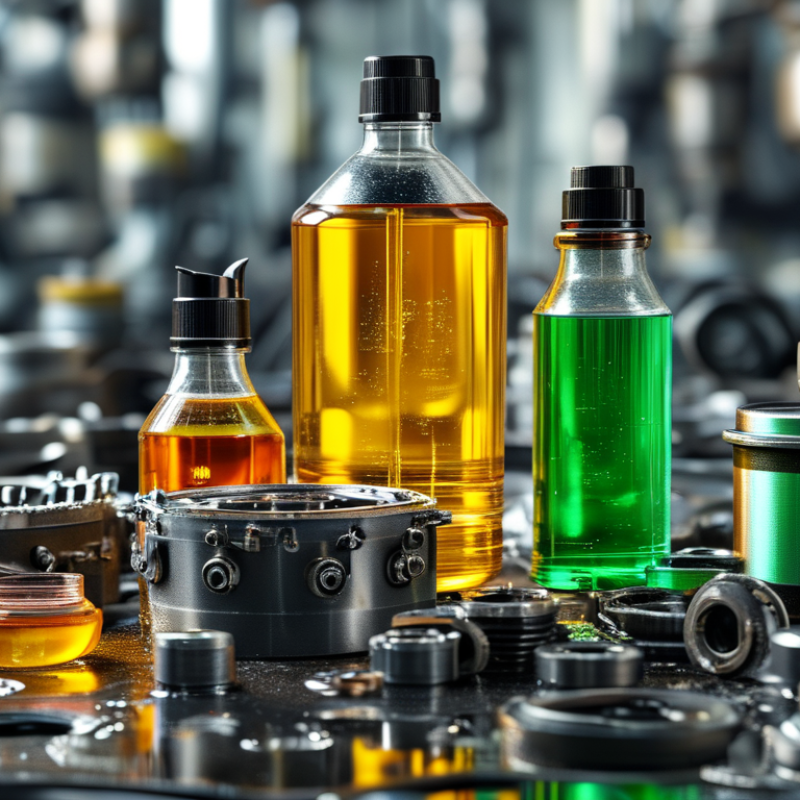
Lubricants play a crucial role in various industries, enhancing machinery performance and extending operational life. In manufacturing,
oils and greases minimize friction between moving parts, ensuring smooth operations. For example, in automotive applications,
engine oils reduce wear and tear. These lubricants also help maintain optimal temperatures, preventing overheating.
In the food industry, food-grade lubricants are essential. They ensure safety while ensuring equipment runs smoothly.
These lubricants are specifically designed to avoid contamination. In the aerospace field, specialized lubricants resist extreme temperatures and pressures. They serve as protectors for
vital components, ensuring reliability in critical missions.
Despite advancements, lubricant choices can be daunting. Industries often struggle with selecting the right type. Misapplication can lead to equipment failure.
Understanding the specific functions of each lubricant type is vital for optimal performance. As we progress toward
2026, industries must continuously refine their lubricant choices. This reflection will improve machinery reliability and operational efficiency.
Innovative Trends in Lubricant Technology for 2026
In 2026, the lubricant industry is witnessing groundbreaking innovations. Emerging trends focus on bio-based lubricants, promising sustainability without compromising performance. According to industry reports, the bio-lubricant market is expected to grow by 25% annually. This shift highlights a commitment to reducing environmental impact. These lubricants often provide superior properties, such as high-temperature stability and lower volatility.
Advancements in nanotechnology are also making waves. Lubricants infused with nanoparticles can enhance wear resistance. Research shows that these formulations can reduce friction by up to 30%. However, they may come with challenges. Not all applications may be suitable for nanoparticle innovations. This uncertainty requires further research and testing to ensure reliability across various sectors, from automotive to industrial machinery.
Another trend worth noting is the move towards smart lubricants. These products use IoT technology to monitor performance in real-time. Reports indicate that smart lubricants can extend equipment life by 15-20%. Yet, they may pose cybersecurity risks. Ensuring data security will be essential as the industry adopts this technology. Balancing performance and security remains a key focus for lubricant manufacturers.
Environmental Considerations in Lubricant Selection and Use
As environmental concerns rise, selecting the right lubricants by 2026 becomes crucial. The industry is shifting towards sustainable solutions. Reports indicate that over 40% of businesses are prioritizing eco-friendly lubricants in their procurement policies. This change reflects a growing awareness of environmental impacts.
Biodegradable lubricants are gaining traction. These products break down faster in nature, reducing pollution. Studies show that synthetic biodegradable options can cut environmental harm by up to 50% compared to traditional lubricants. However, the higher cost of these alternatives raises questions. Is the performance worth the price?
Moreover, sourcing materials sustainably is essential. Many companies are exploring biobased options derived from renewable resources. This approach offers a win-win for performance and environmental impact. Yet, challenges remain in developing formulations that meet both operational efficiency and ecological criteria. As we navigate these complexities, ongoing assessments of lubricant selection become increasingly vital for long-term sustainability.
Key Performance Indicators for Lubricants in 2026
In 2026, understanding the key performance indicators (KPIs) for lubricants will be critical.
Lubricants must demonstrate durability and efficiency in various applications.
Key metrics include viscosity, thermal stability, and wear protection.
These indicators help assess how well a lubricant performs under stress and high temperatures.
Viscosity is crucial for ensuring smooth operations.
A lubricant that fails in maintaining optimal viscosity can lead to increased friction and wear.
Moreover, thermal stability indicates how well a lubricant can resist breakdown at elevated temperatures.
Lubricants with superior thermal properties can extend the life of machinery significantly.
Wear protection is another vital performance indicator.
A lubricant should minimize surface damage and prolong equipment life.
The ability to form a protective film is essential.
Sometimes, even well-reviewed lubricants can fall short.
It's important to gauge their performance in real-world conditions.
Regular assessments and adaptations are necessary to meet evolving industry challenges effectively.
Future Challenges and Opportunities in the Lubricant Market
The lubricants market faces unique challenges ahead. Sustainability is a pressing issue. Companies must innovate to meet eco-friendly demands. The push for more biodegradable and non-toxic products grows stronger. These greener options should still perform reliably. Meeting such standards may require significant R&D investments.
Competition is intensifying globally. As new players enter, established brands must adapt. Flexibility in product development can become a strength. Companies should consider new formulations to enhance performance. Smart technologies, such as IoT, could also redefine how lubricants are used and monitored.
Tips: Regularly consult industry reports for insights. Attend workshops to stay updated on trends. Collaborate with research institutions to access advanced technologies. Reassess existing products; they might need a refresh. Embracing change is essential in this evolving market landscape.
Top 10 Lubricant Types for Optimal Performance in 2026
| Lubricant Type |
Base Oil |
Viscosity Grade |
Primary Applications |
Sustainability Impact |
| Synthetic Oil |
Synthetic Base Stocks |
5W-30 |
Automotive, Industrial |
Low carbon footprint, recyclable |
| Mineral Oil |
Refined Crude Oil |
10W-40 |
Machinery, Bearings |
Higher environmental impact |
| Biodegradable Oil |
Vegetable Oils |
15W-40 |
Agricultural, Marine |
Eco-friendly, fully biodegradable |
| Grease |
Oil Thickeners |
N/A |
Automotive, Heavy Machinery |
Potential for reduced waste |
| Oil Additives |
Various |
N/A |
All lubrication needs |
Enhances efficiency, reduces waste |
| High-Temperature Grease |
Synthetic Blend |
N/A |
Aerospace, Automotive |
Longer lifecycle |
| Low-Friction Oil |
Synthetic |
0W-20 |
High-performance engines |
Improves fuel efficiency |
| Multi-Purpose Oil |
Mineral/Synthetic |
10W-30 |
General lubrication |
Widely available, versatile |
| HVAC Oil |
Mineral |
32-68 |
Heating and cooling systems |
Specialized for energy efficiency |
| Wire Rope Lubricants |
Various |
N/A |
Cable systems |
Protects against corrosion |