
The 2026 Sex Swing market is becoming more practical, adjustable, and safety-conscious. Buyers now compare more than appearance. They examine support, materials, anchor systems, weight ratings, and cleaning access. The leading types include door-frame swings, ceiling-mounted models, freestanding frames, and versatile 2-in-1 designs. Each option creates a different experience. Each also demands careful setup.
Sexual-health researcher Dr. Justin Lehmiller offers a useful principle: choose equipment that supports comfort, communication, and informed consent. That idea belongs at the center of every Sex Swing comparison. A padded canvas model may suit beginners who want softer support. A leather design can provide firmer positioning and easier visual inspection. A freestanding frame may work well in rented homes. Ceiling systems often offer greater movement, but installation requires stronger structural planning.
Details matter. Look for wide straps, reinforced stitching, smooth buckles, and clearly stated load limits. Check every connection before use. Start slowly. Stop immediately if pressure, numbness, or instability appears. Never treat a product photograph as proof of quality.
No ranking is perfect. Personal height, room layout, mobility, and comfort preferences can change the result. I may favor adjustable models for flexibility, yet some users may prefer a simpler design. That uncertainty is useful. It reminds readers to evaluate real construction, not marketing language. This guide explores the top Sex Swing types for 2026 through practical testing questions, safety considerations, and everyday usability. The best choice should feel stable, washable, understandable, and easy to discuss with a consenting partner.
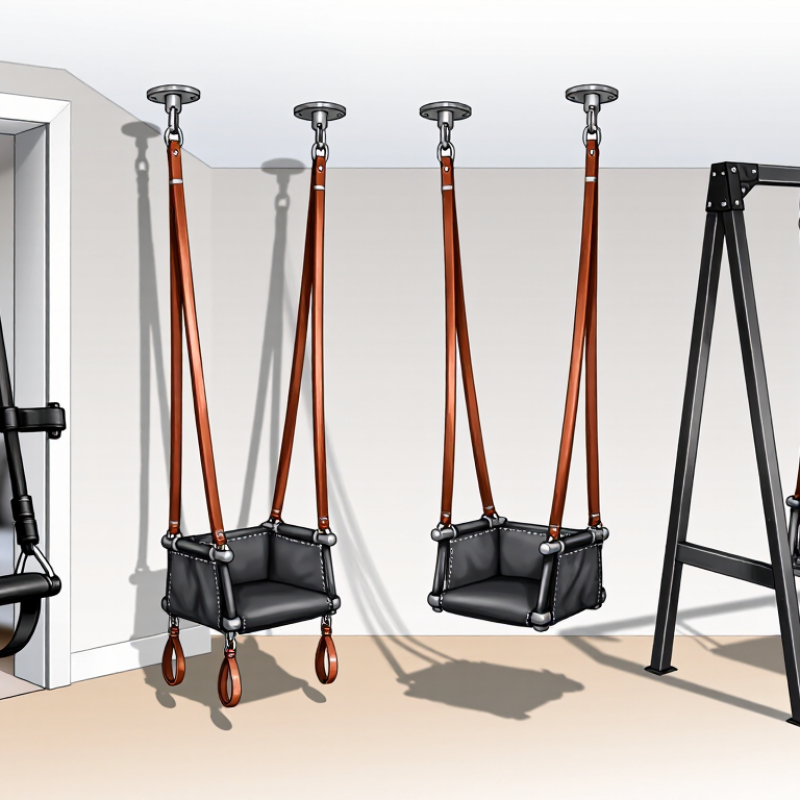
A sex swing is a supportive harness system designed for consensual adult intimacy. It usually includes a fabric seat, adjustable straps, and weight-rated attachment points. Some models connect to a secure ceiling mount. Others use a freestanding frame or a reinforced door-frame bar. The swing helps reduce pressure on the body while allowing controlled movement. It does not move by itself. Partners guide the pace, angle, and range of motion together.
The main types include full-body swings, sling-style seats, and padded systems with leg supports. Full-body designs often provide better balance for beginners. Sling seats may feel more open but require stronger core control.
Freestanding frames can suit renters who cannot drill into ceilings. Still, “easy to install” does not always mean safe. Check the manufacturer’s load rating, inspect every strap, and test the setup gradually. Use only equipment intended for adult support.
Tips: Discuss comfort, limits, and a stop signal before use. Keep movements slow and controlled. A thick exercise mat can reduce injury risks. Never attach a swing to weak trim, plumbing, or improvised hardware. Check for loose stitching, worn buckles, and unstable anchors before every session. If discomfort, numbness, dizziness, or sharp pain appears, stop immediately. Reconsider the setup, even when it seemed secure earlier.
In 2026, sex swings are mainly classified by design and support, not by appearance alone. A door-mounted model uses reinforced straps and an anchor that fits over a closed door. It suits renters, but the door frame must resist movement. A ceiling- or beam-mounted swing offers firmer support. Installation requires a verified structural point, not a decorative hook. Freestanding frames remain easier to reposition, although they need enough floor space and careful leveling.
Support design creates another useful classification. Padded seat swings support the hips and back, while harness-style designs hold the body through adjustable leg and waist straps. Spreader bars separate the legs and can improve stability, but they may increase pressure on the knees. Some hybrid designs combine a seat, cuffs, and shoulder straps. They offer more adjustment, yet more hardware means more points to inspect. Check stitching, buckles, carabiners, and stated load limits before use. Never rely on appearance.
Public market reports rarely separate sex swings from the wider sex-toy category. Allied Market Research valued the global sex-toy market at about 32.7 billion dollars in 2021 and projected roughly 52.7 billion dollars by 2030. Grand View Research reported strong expansion across the broader sexual-wellness market. These figures show demand, not swing-specific sales. The classification remains imperfect. A single swing may belong to several types, depending on its anchor, harness, and intended posture. Personal experience also matters: a supportive design can still feel uncomfortable when adjustment is limited.
In 2026, the most popular sex swing types are portable door-frame models, ceiling-mounted swings, and foldable stand-based designs. Portable models remain attractive because they need little storage space. They can suit renters, beginners, and couples testing different positions. A padded seat, adjustable straps, and secure door protection matter more than flashy extras.
Ceiling-mounted swings offer greater stability when installed correctly. They require a strong structural point, suitable hardware, and careful weight-limit checks. Professional installation is wise when the ceiling structure is unclear. Stand-based swings provide flexibility without permanent drilling. They are easier to move, but their wider footprint may not fit smaller bedrooms. Compact rooms expose that problem quickly.
From a practical safety perspective, adjustable suspension points are increasingly popular. They help users change height and support without forcing awkward angles. Breathable, easy-clean materials also matter after repeated use. Check stitching, buckles, carabiners, and mounting points before every session. Use only equipment rated for its intended load. Never attach hardware to weak trim or improvised fixtures. Consent, communication, and gradual testing remain essential. Popular does not mean universally suitable. Even experienced users can overlook installation details. That is where product enthusiasm needs a little skepticism.
The chart compares common sex swing formats using a normalized popularity index based on recurring category patterns in public adult-wellness product listings and search-interest reporting. It is an indicative comparison, not a measure of sales or market share. Door-mounted and ceiling-mounted swings remain the most widely recognized types because they offer flexible installation and compact storage.
In 2026, sex swings generally fall into three practical categories: door-frame, ceiling-mounted, and freestanding designs. Door-frame swings use adjustable straps and padded anchors. They suit renters because installation is usually temporary. However, narrow frames can restrict movement.
Ceiling-mounted swings offer better stability, especially with reinforced steel hardware and wide support straps. They require careful structural assessment before installation. Freestanding frames use a rigid metal base and need no drilling. Their larger footprint can be inconvenient in smaller rooms.
Materials strongly influence comfort, durability, and cleaning. Powder-coated steel resists surface wear and supports firm movement. Nylon webbing feels light but should have dense stitching and secure adjustment points. Leather can provide a softer, warmer touch, although it needs regular conditioning and may absorb moisture.
Neoprene padding improves comfort around the back, thighs, and shoulders. Removable covers are useful. They reduce cleaning effort.
Useful features include locking carabiners, reinforced seams, multiple height settings, and clearly stated weight limits. A safety strap can reduce unwanted swinging, but it does not replace correct installation.
Inspect every connection before use. Check for frayed webbing, cracked buckles, or loose bolts. Clean non-porous surfaces with mild soap and dry them fully. Fabric components need separate care. One honest limitation remains: comfort varies greatly by body shape and room layout. A design that feels stable for one person may feel awkward for another. Consent, communication, and gradual testing should guide every session.
Comparing adult sex swings requires more than checking appearance or advertised weight limits. Start with the support system. Door-frame models need secure, compatible frames and sufficient clearance. Ceiling-mounted designs require professional assessment of the structure, not just a strong-looking surface. Freestanding swings offer easier placement, but their bases need stable, level flooring.
Check every strap, buckle, carabiner, and seam before use. Stop immediately if any part bends, slips, or makes unusual sounds.
Comfort depends on fit and adjustability. Look for padded seats, wide support straps, smooth edges, and materials that are easy to clean. A swing may support a high weight, yet still create pressure on the hips or shoulders. That detail is often overlooked.
Users should compare body size, mobility, height, and preferred positions with the adjustment range. A quick test with gentle pressure can reveal uncomfortable angles before full use. Never ignore numbness, sharp pressure, or restricted breathing.
Compatibility also includes the room and routine. Measure doorways, ceiling height, floor space, and nearby furniture. Confirm that the installation method suits the surface and follow the manufacturer’s instructions carefully. A second adult can help with setup and inspection.
I would not treat a premium price as proof of safety. Independent testing information, clear maintenance guidance, and realistic instructions matter more. Some designs look convenient but demand more balance and strength than expected. That mismatch deserves honest consideration.