Top 5 Tips for Choosing the Best Lubricant for Your Needs?
Choosing the right lubricant is essential for optimal performance in various applications, from automotive to industrial uses. Industry reports indicate that the global lubricant market exceeded $140 billion in 2022, showcasing its critical role. Lubricants reduce friction, enhance efficiency, and extend equipment life. Yet, selecting the best lubricant can be challenging due to diverse options available.
Many factors influence lubricant performance, including viscosity, base oil type, and additive package. For example, synthetic lubricants often provide superior high-temperature stability compared to conventional oils. However, they can be more expensive, leading some users to question their value. In fact, studies show improper lubricant choices can lead to significant equipment failures. This highlights the importance of informed decision-making.
Understanding your specific needs is vital when evaluating lubricants. Each application may require different properties to perform optimally. Users should consider the operating environment, load conditions, and potential contaminants. A thorough assessment can prevent costly mistakes and ensure longevity. Before making a decision, reflect on your requirements and do thorough research to find the right lubricant.

Understanding Different Types of Lubricants: Water-based, Oil-based, and Silicone
When choosing a lubricant, understanding the main types is crucial. There are three primary categories:
water-based,
oil-based,
and silicone.
Water-based lubricants are versatile and easy to clean up. They are safe to use with most materials. However, they may dry out quickly and require reapplication. Some users find this inconvenient.
Oil-based lubricants offer longer-lasting slickness. They are perfect for intimate moments that desire lasting smoothness. Nonetheless, they can be challenging to clean and might degrade latex products. Users should weigh these factors carefully.
Silicone lubricants provide a unique option. They are long-lasting and work well in water, making them ideal for various scenarios. One drawback is that silicone can be hard to remove completely. This may leave a slippery residue. It's essential to consider your preferences and needs when selecting the right lubricant. Each type has its pros and cons, and personal experiences may vary.
Assessing Your Unique Needs: Compatibility with Products and Personal Preferences
Choosing the right lubricant can seem overwhelming. It's important to assess your unique needs. Consider the compatibility with the products you plan to use. Some lubricants work well with certain materials while others may cause breakage or irritation. Understanding your chosen products is key.
Personal preferences play a significant role as well. Think about the texture, smell, and consistency you find most pleasurable. Some may prefer a silky feel, while others might want something thicker. This choice can make a huge difference in your experience. Don't hesitate to experiment.
Take time to reflect on your experiences. What worked well? What didn’t? Gather insights to inform your decisions. Remember that not all lubricants are universally suitable. Each person is different, and that's perfectly normal. Embrace the uniqueness of your preferences.
Top 5 Tips for Choosing the Best Lubricant for Your Needs
This chart illustrates the percentage of user preferences for different types of lubricants, highlighting the importance of identifying the right type that fits individual needs and compatibility considerations.
Evaluating Safety and Allergens: Choosing Body-safe Ingredients and Certifications
When choosing a lubricant, safety and allergens should be a priority. Look for body-safe ingredients that are free from harmful chemicals. Parabens, glycerin, and synthetic fragrances can irritate sensitive skin. Many people may not consider the impact of these substances until they experience discomfort. Always read labels carefully.
Certifications can offer additional peace of mind. Products labeled as hypoallergenic indicate a lower risk of allergic reactions. However, individual responses can vary widely. Just because a product is marketed as safe does not guarantee it will be suitable for everyone. Pay attention to personal reactions after use.
Understanding your body’s unique needs is crucial. Testing for allergies with a small patch can be wise before using a new product extensively. Inconsistent experiences with lubricants are common. Be prepared to reflect on what works best for you. The right choice can enhance intimacy and comfort, making the selection process worthwhile.
Analyzing Viscosity and Consistency: Importance of Lubricant Thickness and Texture
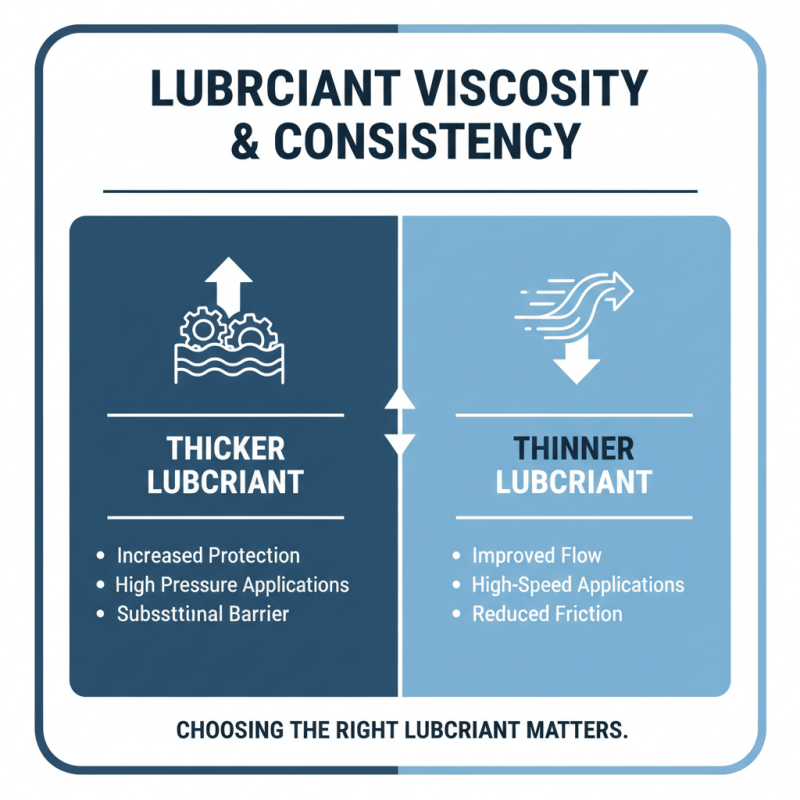
When choosing a lubricant, viscosity and consistency are key. Viscosity refers to the thickness of the lubricant. A thicker lubricant provides a more substantial barrier between surfaces. This can lead to improved protection under high pressure. Conversely, a thinner lubricant can offer better flow, making it suitable for high-speed applications.
The texture is equally important. A smooth lubricant can reduce friction effectively. It ensures that moving parts operate seamlessly. However, a coarse texture may be necessary for specific applications, offering better grip. Users should consider the nature of their machinery and what challenges they face. Testing different lubricants can reveal surprising insights.
Not everyone understands how viscosity impacts performance. Some might believe that thicker is always better. However, too thick can lead to unnecessary drag. Finding the right balance is essential. It requires experience and a little trial and error. Ultimately, texture and thickness should align with specific needs for optimal results.
Considering Temperature Sensitivity: How Heating and Cooling Affects Lubrication
When choosing a lubricant, consider how temperature sensitivity influences performance. Many lubricants can change their viscosity when exposed to extreme heat or cold. A lubricant that works well in warmer conditions may become too thin in cold weather. This alteration can lead to inadequate lubrication and potential equipment damage.
Heat can cause some lubricants to break down, leading to a sticky residue. This buildup can affect moving parts and reduce efficiency. On the flip side, cold temperatures can make some lubricants too viscous. They might not flow properly, resulting in increased friction and wear.
Testing lubricants at various temperatures can provide insight into their effectiveness. It’s essential to observe how a lubricant reacts under different conditions. Not every lubricant is suitable for every application. Reflecting on your specific needs will help in selecting the best lubricant for your situation. Remember, the ideal choice may involve some trial and error.
Top 5 Tips for Choosing the Best Lubricant for Your Needs
| Feature |
Temperature Sensitivity |
Recommended Use Cases |
| Water-Based |
Sensitive to high temperatures |
Ideal for general use, easy to clean |
| Silicone-Based |
Stable under varying temperatures |
Long-lasting, great for sensitive skin |
| Oil-Based |
Excellent heat resistance |
Best for intimate use, but harder to clean |
| Hybrid |
Moderate temperature sensitivity |
Versatile use, combines benefits of diverse lubricants |
| Natural/Organic |
Depends on formulation |
Eco-friendly, good for health-conscious users |