Why Are Sex Toys Gaining Popularity Among Adults Today?
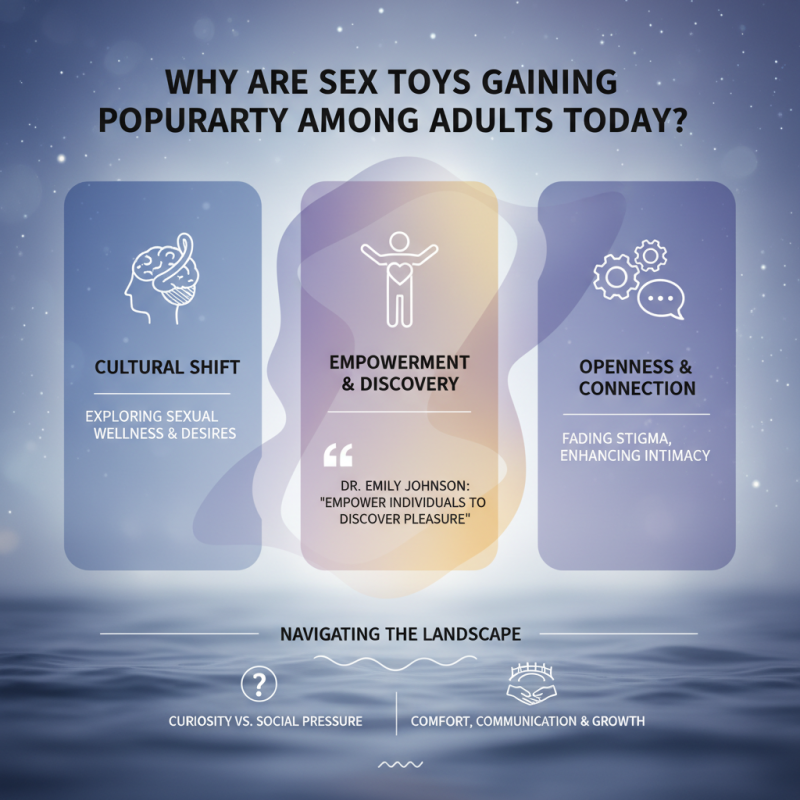
The rising interest in sex toys among adults reflects a broader cultural shift. People are increasingly exploring their sexual wellness and desires. Dr. Emily Johnson, a leading sex toy expert, states, "Sex toys empower individuals to discover their own pleasure." This empowering sentiment resonates with many today.
More individuals are discussing sexual health openly. The stigma that once surrounded sex toys is fading. Today, they are seen as tools for self-discovery. Many couples are using them to enhance intimacy. However, despite this openness, some still have reservations.
Is it truly accepted? The blend of curiosity and social pressure can create confusion. As adults navigate this evolving landscape, the importance of comfort and communication in relationships becomes evident. Ultimately, sex toys may serve as bridges to deeper connections and personal growth.
Factors Contributing to the Increased Acceptance of Sex Toys
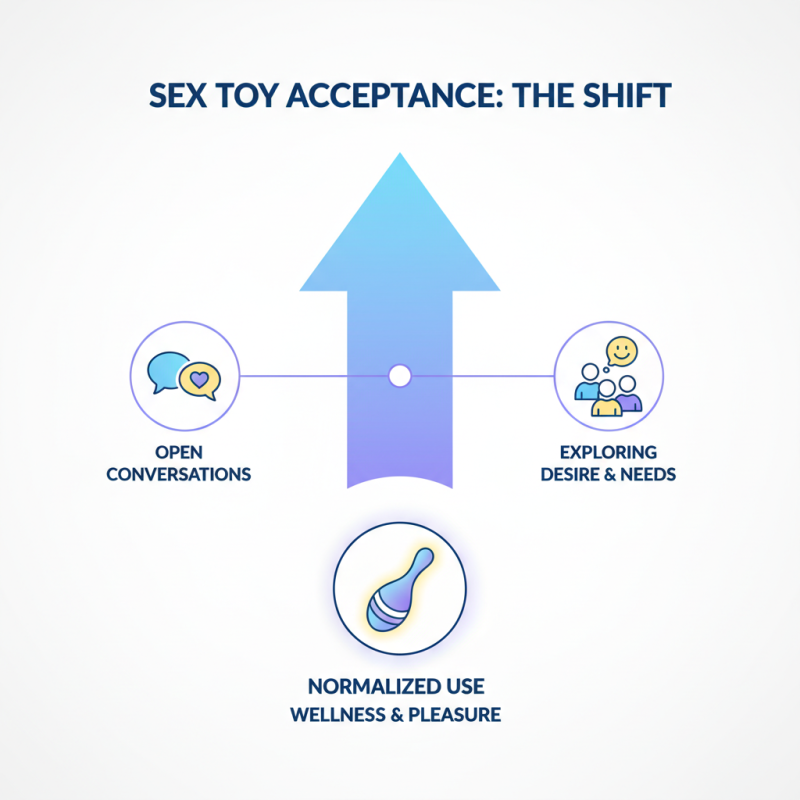
The growing acceptance of sex toys among adults can be linked to several key factors. Open conversations about sexual wellness have increased in recent years. More people are becoming comfortable discussing their desires and needs. This shift helps normalize the use of sex toys.
Additionally, social media has played a significant role in shaping perceptions. Platforms encourage individuals to share their experiences. Seeing real people talk about these products helps reduce stigma. As a result, many are willing to explore their own sexuality.
Tips: If you're considering using sex toys for the first time, start small. Choose items that are non-intimidating. You may want to explore beginner-friendly options. It can be helpful to read reviews or join online forums. Sharing experiences with others can enhance your journey.
Another tip is to ensure you understand your body’s needs. Experiment with different types and materials. This can lead to a more satisfying experience. Remember, what works for one person may not work for another. Reflect on your preferences and enjoy the process of discovery.
The Role of Social Media in Promoting Sexual Wellness Products
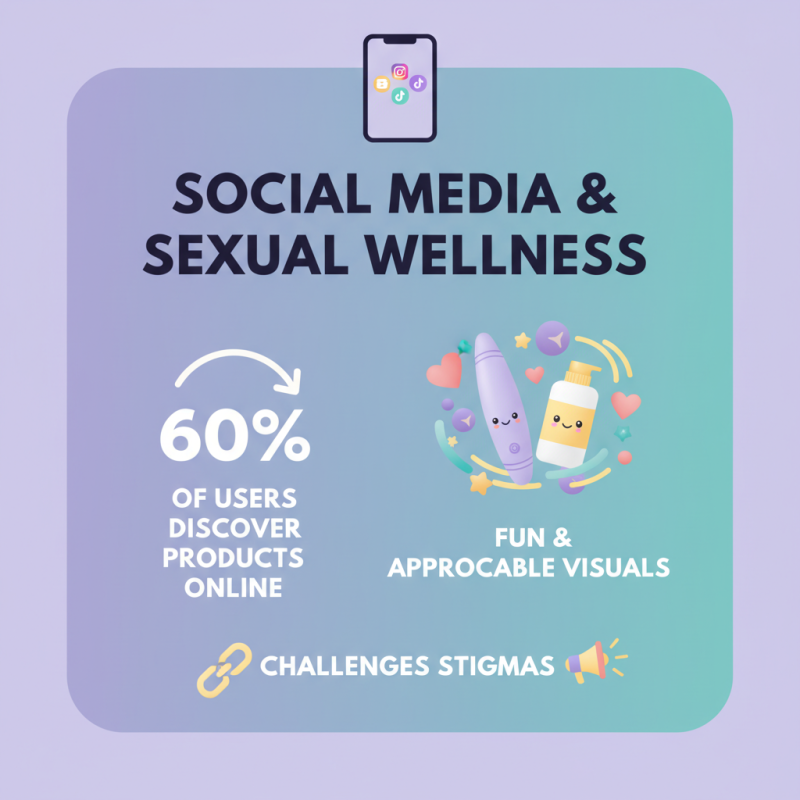
The rise of social media has transformed how we view sexual wellness products. Platforms like Instagram and TikTok showcase sex toys in a fun and approachable manner. Over 60% of users report discovering these products online. Engaging visuals attract attention and spark curiosity. This visibility challenges traditional stigmas.
Data shows that the adult toy market is projected to reach $39 billion by 2024. Users are increasingly interested in exploring their sexuality. Social media influencers often share personal experiences, making the conversation more relatable. However, not all content is appropriate. Misleading information can create unrealistic expectations.
Furthermore, discussions around inclusivity in sexual wellness products are becoming prominent. Diverse representation is crucial, yet many brands fall short. The need for broader dialogue remains. Social media can help drive awareness, but critical thinking is necessary. Users should approach online recommendations cautiously. Redirecting the focus to education and self-discovery is essential in this growing industry.
Changing Attitudes Towards Sexuality and Self-Exploration
In recent years, attitudes towards sexuality have transformed significantly. People are more open to exploring their desires. This shift encourages many to embrace self-exploration through various means, including sex toys. These items are now seen as tools for personal pleasure rather than taboo objects. They empower individuals to understand their bodies better.
Exploring one's sexuality can be both exciting and daunting. It’s essential to approach this journey with a mindset of curiosity. Don’t rush into it; take your time to discover what feels right for you. Communication with yourself and, if applicable, with partners is crucial. Understanding your preferences can lead to more satisfying experiences.
Tips for self-exploration: Start small. Begin with simple tools that don't feel overwhelming. Journal your feelings and experiences. Reflect on your comfort level and desires; this practice can foster deeper insights. Remember, everyone’s journey is unique. Allow yourself the space to feel, learn, and grow. This process may be imperfect, but that’s part of the journey. Embrace it!
Why Are Sex Toys Gaining Popularity Among Adults Today? - Changing Attitudes Towards Sexuality and Self-Exploration
| Dimension |
Data |
| Percentage of Adults Using Sex Toys |
45% |
| Increase in Online Sales (Last 5 Years) |
60% |
| Primary Age Group of Users |
25-34 Years |
| Reasons for Usage |
Self-Exploration, Enhanced Pleasure, Relationship Enrichment |
| Perception Shift in Society |
Increased Acceptance of Sexual Wellness (70% Agree) |
| Demographic Trends |
Higher Usage in Urban Areas |
| Popular Types of Sex Toys |
Vibrators, Dildos, Couples' Toys |
The Impact of Education on Adult Understanding of Sexual Health
Education plays a crucial role in understanding sexual health. As more adults access information about sexual wellness, their attitudes shift. According to a survey by the Sexual Health Education Research group, nearly 70% of adults feel more comfortable discussing sexual topics today than a decade ago. This openness encourages exploration of intimate products.
Knowledge empowers individuals. A study published in the Journal of Sexual Medicine found that adults educated about sexual anatomy are 50% more likely to try sex toys. Many people still harbor misconceptions. Some believe these products are solely for the inexperienced. In reality, they enhance pleasure for individuals and couples alike.
Furthermore, sex-positive education reduces stigma. Adult education programs are increasing. They provide insights into sexual health, consent, and emotional connections. Many participants report feeling liberated. Yet, challenges remain. Access to comprehensive sexual education is uneven across regions. Not everyone can benefit equally from this knowledge.
Variety and Innovation in Sex Toy Design and Functionality
The adult toy industry is witnessing explosive growth, driven largely by innovative designs. A recent market research report highlighted that the industry is expected to reach over $52 billion by 2028. This rise is fueled by the increasing acceptance of sexual wellness as an essential part of adult life.
Innovations in technology are transforming the design and functionality of sex toys. Devices today often include features like app connectivity and programmable settings. Reports indicate that more than 40% of consumers are interested in toys that can be controlled via smartphones. These smart devices offer personalization and new experiences, enhancing user satisfaction.
However, with this variety comes confusion. Many consumers may feel overwhelmed by the sheer number of options. Not all toys will meet everyone's needs or expectations. This could lead to disappointment when exploring new selections. Some may reflect on their choices after a purchase, questioning whether they made the right decision. Balancing innovation with personal preference remains a crucial aspect in this evolving market.