Choosing the best Anal Lube is less about finding the thickest formula. It is about reducing friction, supporting comfort, and respecting individual skin sensitivity.
Dr. Evan Goldstein, a board-certified colorectal surgeon and sexual-health educator, explains, “Lubrication is a safety tool, not merely a comfort product.” His point matters because discomfort can develop quietly. A product may feel smooth at first, then become sticky, dry, or irritating after several minutes.
Water-based Anal Lube is easy to rinse and usually compatible with latex condoms. However, it may require reapplication during longer sessions. Silicone-based formulas often last longer and work well with water, but they may damage some silicone accessories. Oil-based products can weaken latex. Always check the product label.
Look closely at the bottle. Fragrance, warming agents, numbing ingredients, and harsh preservatives may bother sensitive tissue. Unscented formulas are often a safer starting point. Still, “gentle” does not guarantee universal comfort.
Read the ingredients.
A small amount applied externally can help you assess texture and irritation before broader use. Stop if burning, swelling, bleeding, or persistent pain occurs, and seek medical advice when symptoms continue. Anal Lube cannot remove every risk. It cannot replace consent, communication, condoms, or gradual preparation.
This guide also admits an uncomfortable truth: product descriptions are sometimes vague, and personal experience varies. The best choice may require careful testing, honest feedback, and one disappointing purchase before finding a reliable formula. Comfort should never be rushed.
Choosing an anal lubricant is mainly about reducing friction, not adding luxury. Anal tissue has no natural lubrication, so dryness can create tiny tears, discomfort, or condom failure. WHO and UNFPA’s Condom and Lubricant Technical Guidance explains that compatible lubricant can reduce friction and support better condom performance. However, lubricant does not prevent sexually transmitted infections. The CDC reported more than 2.5 million combined cases of chlamydia, gonorrhea, and syphilis in the United States during 2022.
Water-based lubricant is easy to clean and generally condom-compatible. Silicone-based lubricant lasts longer, especially during extended use or in water. Avoid oil-based products with latex condoms, because they can weaken the material. Fragrance, alcohol, and numbing ingredients may also irritate sensitive tissue. That advice sounds simple. Bodies differ. Some people need more product, while others react to common additives. A small external patch test may reveal irritation before use.
Tips:Apply a generous layer to the opening, condom, or toy. Reapply when friction returns. Never treat numbness as comfort. Stop with sharp pain, persistent burning, or bleeding. Use clean, body-safe toys and follow their care instructions. A clinician can help when discomfort repeats, although product guidance is not always perfect for every body.
Water-based anal lube is a practical starting point. It feels light, rinses away easily, and works with latex condoms. However, it can dry during longer sessions, especially in a warm room. Reapplication may be necessary.
I used to think more lube always solved discomfort, but technique matters too. Apply a generous amount to the opening, the toy or penis, and your fingers. Add more when friction returns.
Silicone-based lube usually lasts longer. It suits showers and extended activity because water does not remove it quickly. It is also generally compatible with latex condoms. Check the label before using it with silicone toys, since some formulas may damage their surface. Cleanup can take extra soap and patience. That small inconvenience is easy to underestimate.
Hybrid lube combines water and silicone qualities. It often feels smoother than water-based formulas and cleans more easily than pure silicone. Still, formulas differ, so read the ingredient list carefully. Avoid products containing numbing agents, strong fragrance, or irritating alcohols. Reduced sensation can hide pain, while irritation may appear hours later. Stop if burning, bleeding, or persistent soreness occurs. Use clean hands, trim sharp fingernails, and never share applicators without washing them. Personal comfort varies, and even a well-reviewed formula may not suit sensitive skin.
How to Choose the Best Anal Lube for Safe Comfort?
Ingredient checking matters because anal tissue is delicate and naturally produces little lubrication. Choose a product with clear ingredients, an intact seal, and a current expiry date. Water-based formulas are easy to clean, while silicone-based formulas often last longer. Read the label. Avoid fragrance, flavoring, essential oils, and strong warming or cooling agents if your skin reacts easily. Glycerin may bother some users, although sensitivity differs between individuals.
Compatibility deserves equal attention. The FDA warns that oil-based lubricants can weaken latex condoms and increase breakage risk. Use water-based or silicone-based lubricant with latex barriers unless the packaging states otherwise. WHO, UNFPA, and FHI 360 technical guidance identifies 1,200 mOsm/kg as an upper osmolality benchmark, with lower values preferred. High-osmolality products may draw water from cells and cause irritation. The label may not show osmolality, unfortunately.
Personal testing should be cautious. Apply a small amount to external skin first, then wait and watch for redness, itching, or burning. Stop immediately if discomfort appears. Do not use numbing ingredients to hide pain; pain can signal friction or injury. A thicker formula may feel safer, but texture alone proves nothing. Ingredient lists are useful, not perfect. Individual reactions remain unpredictable. If bleeding, persistent pain, or swelling occurs, seek qualified medical advice promptly.
| Data dimension | What to check | Evidence-based practical meaning | Personal suitability questions |
|---|---|---|---|
| Lube base | Water-based, silicone-based, or oil-based formula | Water-based products are usually easy to wash off but may require reapplication. Silicone-based products generally last longer and are not compatible with silicone toys unless the toy manufacturer confirms compatibility. Oil-based products can be difficult to remove and may weaken latex condoms. | Do you prefer easy cleanup, longer-lasting lubrication, or compatibility with a specific toy or barrier? |
| Condom compatibility | The package should clearly state compatibility with latex and other barrier materials. | Oil, petroleum, and mineral-oil ingredients can damage latex. When the barrier material is unknown, follow the condom or dental-dam manufacturer’s instructions and choose a compatible water- or silicone-based option. | Are you using latex, polyisoprene, polyurethane, or another barrier material? |
| Toy compatibility | Check whether the product is suitable for the toy’s material. | Silicone-based lubricant may damage or soften some silicone toys. A water-based lubricant is generally the safer default for silicone toys, but the toy manufacturer’s guidance takes priority. | What is the toy made from, and does its care guide specify compatible lubricants? |
| Fragrance and flavoring | Look for “fragrance,” “parfum,” essential oils, or flavor additives. | These ingredients can irritate sensitive skin or mucous membranes in some people. An unflavored and fragrance-free formula is often a simpler choice for sensitive users. | Have scented or flavored personal-care products caused burning, itching, or redness before? |
| Warming, cooling, or tingling agents | Check for menthol, peppermint or other essential oils, capsaicin-like warming agents, or unspecified “tingling” blends. | A sensation of heat or coolness does not indicate better protection. These additives may cause discomfort or irritation, especially on delicate or damaged tissue. | Would a neutral, non-stimulating formula be more comfortable for you? |
| Numbing ingredients | Check for lidocaine, benzocaine, or other local anesthetics. | Numbing can mask pain, which is an important warning signal for stopping or adjusting activity. It may also cause allergic or irritant reactions. Avoid using these products to push through pain. | Do you have a history of reactions to topical anesthetics, or unexplained rectal discomfort? |
| Humectants and osmolality | Review ingredients such as glycerin and glycols, and look for testing or information about osmolality. | Highly hyperosmolar products may draw water from surface cells and can feel irritating. Ingredient names alone cannot reliably determine osmolality, so manufacturer testing information is useful when available. | Does the product cause stinging, dryness, or irritation after use? |
| Preservatives | Check for preservatives and consider your known allergies or sensitivities. | Preservatives help prevent microbial growth in water-based products, but some individuals may react to particular preservatives. Avoid ingredients previously linked to your own reactions. | Do you have diagnosed contact allergies or a history of reactions to cosmetics or medical products? |
| pH information | Look for a clearly stated pH range and avoid assuming that a vaginal-lube pH is appropriate for anal use. | Rectal tissue has different conditions from vaginal tissue. pH is only one factor and does not by itself establish that a product will prevent irritation or infection. | Does the manufacturer identify the intended use and provide complete product information? |
| Texture and persistence | Consider thickness, slipperiness, drying time, and whether it becomes sticky. | A formula that stays slippery can reduce friction. Reapply as needed rather than continuing when there is dryness or discomfort. | Does the product remain comfortable for the expected duration, or does it dry too quickly? |
| Patch and tolerance testing | Use a small amount externally first and stop if irritation develops. | A small external test may help identify immediate sensitivity, but it cannot guarantee that internal use will be irritation-free. Do not apply a product to broken or inflamed skin. | Have you tested the formula before full use, and did you notice burning, swelling, rash, or persistent itching? |
| Hygiene and storage | Check the expiration date, seal, storage directions, and dispenser cleanliness. | Do not share lubricant in a way that contaminates the container. Keep the opening clean and discard products that change smell, color, or texture. | Is the product within its use-by date and stored according to the label? |
| Pain and warning signs | Stop if there is sharp pain, bleeding, significant burning, swelling, rash, or persistent symptoms. | Lubricant reduces friction but cannot eliminate the risk of tissue injury or sexually transmitted infections. Seek medical advice for ongoing pain, bleeding, discharge, sores, or suspected infection. | Are symptoms continuing after stopping use, or do they require professional assessment? |
How to Choose the Best Anal Lube for Safe Comfort?
Choosing the right texture starts with your comfort and the activity. A thicker gel usually stays in place longer and reduces repeated application. A thinner liquid may spread quickly but can become messy. Water-based lubricant is easy to wash away and generally condom-friendly. Silicone-based lubricant lasts longer, especially during extended use, but it can damage some silicone toys. Check compatibility carefully. Oil-based products may weaken latex condoms. That mistake is easy to make.
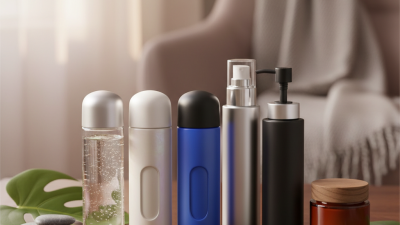
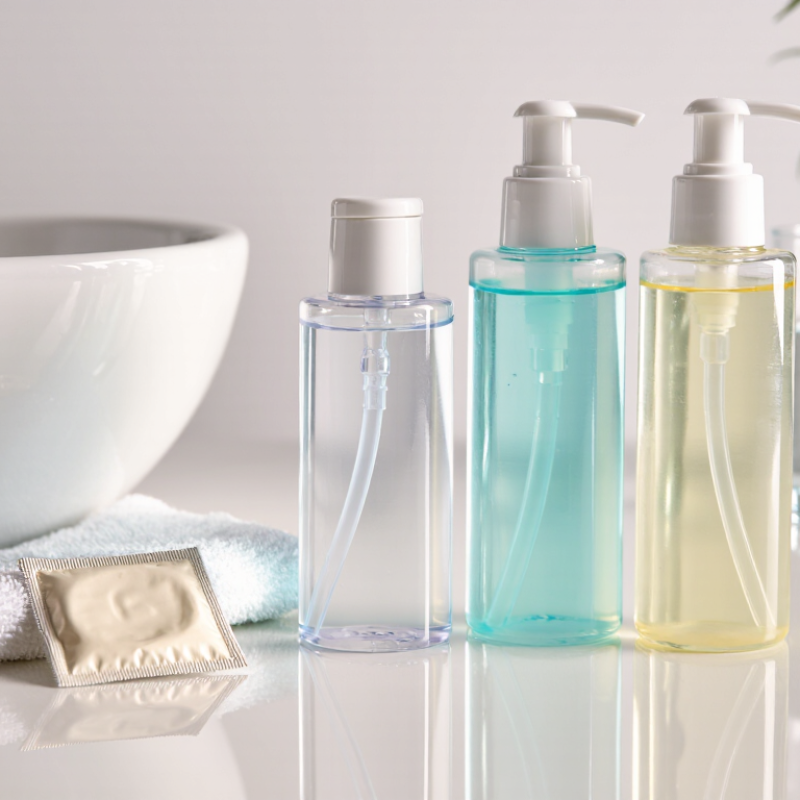
Packaging affects hygiene more than many people expect. A pump bottle limits contact with the remaining product. A narrow tube offers controlled application and travels well. Avoid containers with broken seals, strange smells, or expired dates. Choose simple formulas without strong fragrance, warming agents, or numbing ingredients. Numbing products can hide pain, which is useful information your body needs to provide.
Application should be slow and deliberate. Wash your hands, apply lubricant around the outside, and add a small amount gradually. More is often better than too little. Reapply when friction increases. Use a clean barrier with shared toys, and follow the toy material’s care instructions. Stop if there is sharp pain, burning, or bleeding. Mild awkwardness is normal; ignoring discomfort is not. Personal preference matters, but it should never replace basic safety.
Choosing the Right Texture, Packaging, and Application Method
The chart uses a practical 1–5 comparison based on common lubricant properties: higher scores indicate longer-lasting lubrication, easier cleanup, or broader condom compatibility. Water-based lubricants are generally easy to clean and compatible with latex condoms. Silicone-based lubricants usually last longer and are also compatible with latex condoms, but may damage some silicone toys. Oil-based lubricants can provide lasting slipperiness but can weaken latex condoms and are harder to clean.
For safer use, choose a product with clear ingredients and a hygienic tube or pump, apply enough lubricant gradually, stop if irritation occurs, and use a new condom for every act.
Choosing the best anal lube means considering comfort, ingredients, and how long it may last. The anus does not produce natural lubrication, so friction can cause tiny tears. A generous amount helps reduce discomfort. Water-based lube is easy to clean and usually works well with condoms. Silicone-based lube lasts longer, but it may damage some silicone toys. Check the toy instructions carefully.
Tips: Apply lube slowly and add more when needed. Use clean hands, trimmed nails, and a fresh condom. Avoid products containing numbing agents, strong fragrances, alcohol, or warming chemicals. Numbing ingredients can hide pain, making an injury easier to miss. Never share opened lube between body areas without cleaning the container.
Stop immediately if pain becomes sharp, burning continues, or the body feels tense despite relaxation. Bleeding, swelling, dizziness, or unusual discharge also requires attention. Mild pressure can happen, but pain should not be pushed through. One common mistake is adding more lube while ignoring discomfort. That does not always solve the problem. Rest, gently clean the area, and avoid further activity until symptoms settle. Seek medical advice for heavy bleeding, severe pain, fever, or symptoms that persist. Read the ingredient label every time, even if the product seemed comfortable before. Bodies can react differently on another day.