What is Lubricant Types and Their Uses in Manufacturing?
In the manufacturing sector, lubricants play a critical role. They reduce friction, enhance efficiency, and extend equipment life. According to Dr. Anna Chen, a renowned lubricant industry expert, "The right lubricant can be the difference between smooth operation and costly equipment failure." This highlights the importance of choosing the correct type for specific applications.
Different types of lubricants serve various purposes. Oils, greases, and solid lubricants each have unique uses in manufacturing. For example, greases are often employed in high-load applications to protect moving parts. Oils are vital for cooling and cleaning, while solids are invaluable in extreme conditions. However, selecting the wrong lubricant can lead to unexpected challenges.
Manufacturers must understand the intricacies of lubricant selection. Misuse or incorrect application can compromise production processes and lead to significant downtime. Scrutinizing lubricant properties and aligning them with specific operational needs can help avoid pitfalls. Balancing performance and cost is essential for effective manufacturing.
Types of Lubricants Used in Manufacturing Processes
Manufacturing processes rely heavily on various types of lubricants. These substances play a vital role in reducing friction between moving parts. They ensure smooth operation, extend equipment life, and improve efficiency.
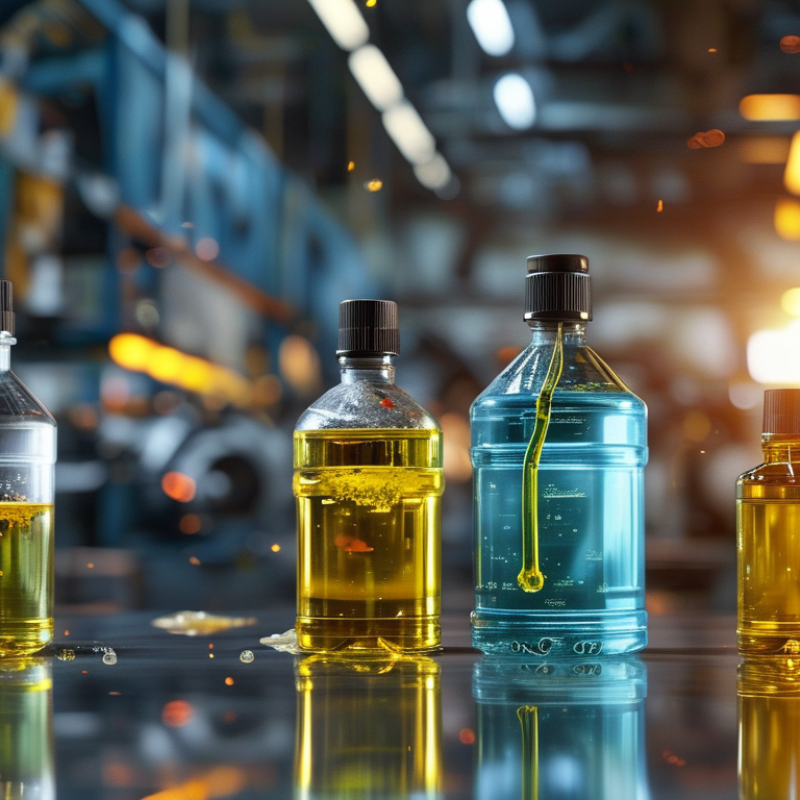
Common lubricant types include oils, greases, and dry lubricants. Each type serves a unique purpose and is suited to specific applications.
Oils are liquid lubricants that flow easily. They are often used in engines and machinery. Greases combine oil with a thickening agent, providing longer-lasting protection in high-load conditions. You can find them in bearings and gears. Dry lubricants, like graphite or molybdenum disulfide, excel in extreme temperatures. They are excellent for applications where liquid lubricants may fail.
Choosing the right lubricant requires an understanding of the operating environment. Factors like temperature, load, and speed influence lubricant performance. Some manufacturers may struggle with lubricant selection. An improper choice can lead to equipment failure and increased costs. Regular reviews of lubricant performance are essential for optimization.
Properties of Lubricants and Their Impact on Equipment Efficiency
Lubricants play a critical role in manufacturing, significantly impacting equipment efficiency. The right lubricants reduce friction and wear, extending the life of machinery. According to a report by the National Lubricating Grease Institute, proper lubrication can enhance efficiency by up to 30%. This not only saves costs but also boosts productivity.
Different types of lubricants serve various purposes. For instance, oil-based lubricants are essential in high-speed machines, providing better heat resistance. In contrast, solid lubricants work well under extreme pressure. The viscosity of the lubricant dictates its performance. A lubricant that is too thick can lead to sluggish movement. Conversely, one that is too thin may fail to protect surfaces effectively. Many manufacturers overlook these properties, which can result in increased downtime and maintenance costs.
Regular monitoring and adjustment of lubricant properties are necessary for optimal performance. Innovative technologies are emerging to address these challenges and improve efficiency. The Industrial Lubrication and Tribology journal indicates that many companies are adopting advanced lubrication systems. However, not all industries have embraced these practices, leading to underperformance. Understanding lubricant characteristics is essential for maintaining equipment reliability.
Applications of Lubricants in Various Manufacturing Industries
Lubricants play a crucial role in various manufacturing industries, impacting efficiency and product quality. For instance, in the automotive sector, lubricants reduce friction and wear between moving parts. According to a report by the International Organization of Motor Vehicle Manufacturers, approximately 60 billion liters of lubricants are used globally in automotive engines each year. High-performance lubricants help in enhancing fuel efficiency and extending engine life.
In the metalworking industry, cutting fluids facilitate machining processes. They cool and lubricate tools, significantly impacting production rates. The Global Cutting Fluids Market is projected to reach over $5 billion by 2027, driven by increased demand for efficient machining solutions. However, improper usage can lead to overheating and reduced tool life, highlighting the importance of expert knowledge in lubricant application.
Lastly, in food processing, food-grade lubricants are essential. These lubricants ensure machinery operates smoothly without contaminating food products. The food processing sector relies heavily on compliance with strict regulations. A report from the Food and Drug Administration indicates that nearly 25% of food safety incidents involve lubricant-related issues. This underlines the critical need for reliable lubricant application in maintaining both operational efficiency and safety standards.
Lubricant Types and Their Applications in Manufacturing
Environmental Considerations and Regulations for Lubricant Use
When discussing lubricants in manufacturing, it's essential to consider their environmental impact. Industrial operations often rely on various lubricants to ensure efficient performance. However, the potential harm these substances can inflict on ecosystems cannot be ignored. Many lubricants contain additives that may be hazardous when released into the environment.
Regulations have become increasingly stringent. Regulatory bodies are establishing guidelines on lubricant composition and disposal. Manufacturers must stay informed about these rules. It requires a proactive approach to ensure compliance. The use of biodegradable and eco-friendly lubricants is gaining traction. Still, the transition may present challenges, such as higher costs and availability issues.
Companies need to assess their lubricant choices. A comprehensive analysis can reveal both benefits and drawbacks. It is crucial to think about sustainability while maintaining operational efficiency. This balance is not always easy to achieve. Ongoing education about environmental regulations is vital for all individuals involved in manufacturing. Continuous improvement is necessary, as lapses can lead to significant repercussions for both businesses and the environment.
Trends and Innovations in Lubricant Technology for Manufacturing
In recent years, lubricant technology has seen significant advancements that cater to the evolving manufacturing landscape. The industry is increasingly turning to bio-based lubricants, driven by the demand for sustainability. A report from the Global Bio-Lubricants Market projects a compound annual growth rate of over 15% through 2026. These lubricants are made from plant sources, reducing environmental impact while providing effective performance.
Another noteworthy trend is the integration of smart technologies into lubricant formulations. Smart lubricants can monitor performance through embedded sensors, providing real-time data. According to a study by the National Institute of Standards and Technology, these innovations can improve machinery lifespan by up to 30%. However, the adoption of such technology raises questions about cost and reliability, as industries must evaluate investments against traditional options.
Additives play a crucial role in enhancing performance. New formulations incorporate advanced friction modifiers and extreme pressure additives. The market for these specialized lubricants is expected to exceed $30 billion by the end of the decade. Yet, as manufacturers embrace these innovations, they must consider potential trade-offs, such as increased complexity in maintenance and compatibility with existing systems. Balancing these innovations with practical application remains a challenge in the quest for optimized manufacturing processes.
What is Lubricant Types and Their Uses in Manufacturing?
| Lubricant Type |
Characteristics |
Primary Uses |
Trends/Innovations |
| Mineral Oil-Based Lubricants |
Derived from refining crude oil, stable and versatile. |
General machinery, automotive applications. |
Enhanced additives for improved performance and longevity. |
| Synthetic Lubricants |
Engineered for specific performance, high-temperature stability. |
Aerospace, high-performance automotive. |
Biodegradable options gaining traction. |
| Biolubricants |
Derived from renewable resources, environmentally friendly. |
Agricultural and forestry equipment. |
Growing demand for sustainable solutions. |
| Greases |
Consistent viscosity, effective in preventing wear. |
Bearings, gears, and heavy machinery. |
Innovations in thickening agents for advanced performance. |
| Solid Lubricants |
High load-bearing capacity, operates under extreme conditions. |
High-temperature applications, aerospace, and military. |
Nanotechnology enhancing performance metrics. |