What Are the Top Big Dildo Types for Global Buyers?
Choosing the right Big Dildo begins with more than size. Global buyers often compare shape, firmness, texture, base design, and material quality. A product may look impressive online, yet feel unsuitable in real use. That difference matters.
This guide introduces popular Big Dildo types for informed adult shoppers. Realistic designs often feature lifelike contours and balanced proportions. Fantasy styles may use unusual colors, sculpted shapes, or imaginative details. Some buyers prefer a softer silicone feel, while others want firmer support. The best choice depends on comfort, experience, storage space, and personal preferences.
Material safety deserves careful attention. Body-safe, nonporous silicone is widely valued because it is easier to clean and inspect. Buyers should review product specifications, independent testing information, and the manufacturer’s care instructions. Phthalate-free claims are useful, but vague wording should invite caution. Not every label is equally reliable.
Size is only one factor. It is not always better. A stable base, smooth edges, and clear dimensions can improve confidence. Beginners may benefit from gradual sizing and careful preparation. Experienced users may still prefer control over maximum length. Local laws, import rules, age requirements, and retailer policies can differ across regions. Always verify them before purchasing.
This overview is practical, not absolute. Preferences vary widely. Product photos can mislead. Reviews can also be inconsistent. That is why careful comparison remains essential. The following sections examine major types, their features, suitable buyer profiles, and important safety considerations.人體藝術
Definition and Key Features of Big Dildo Types
What Are the Top Big Dildo Types for Global Buyers?
Big dildo types describe products with noticeably greater length, girth, or both. However, size labels are not standardized across markets. A “large” model in one store may feel moderate elsewhere. Buyers should check exact measurements, not only product names.
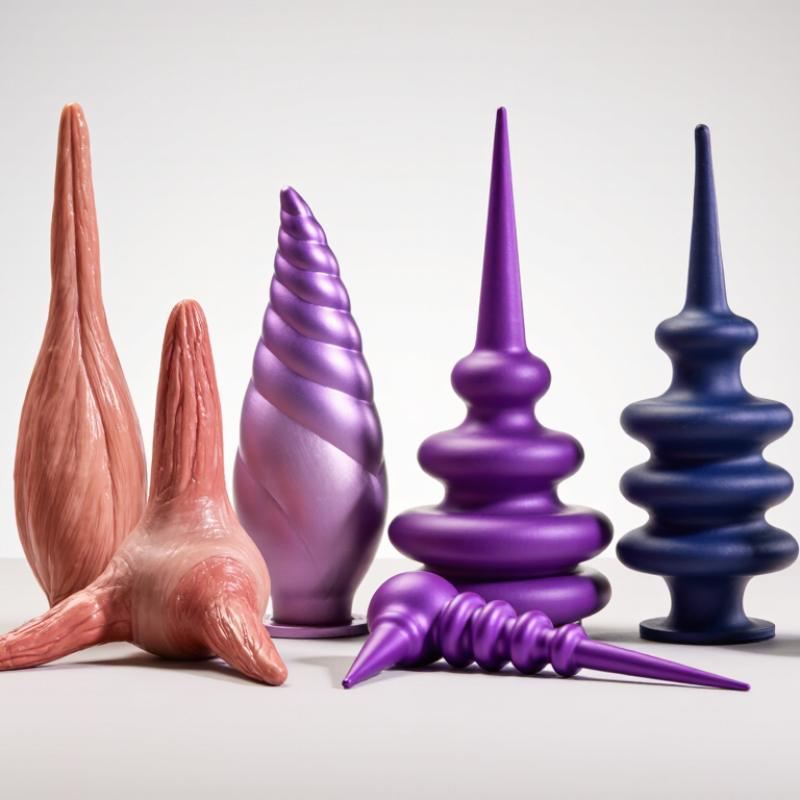
Realistic types feature lifelike shaping, veins, or rounded heads. Non-realistic designs often use smooth curves, unusual colors, or wider bases. Suction-cup types attach to clean, firm surfaces, while harness-compatible models support hands-free use with suitable equipment. Inflatable designs offer adjustable size, but their valves and seams need careful inspection. Materials matter. Non-porous silicone is easier to clean and usually offers a more consistent surface than porous materials. Independent safety testing is more useful than vague “body-safe” claims.
Grand View Research reported that the global sex toys market reached about USD 35.2 billion in 2023 and projected a 7.4% CAGR from 2024 to 2030. Allied Market Research also identifies online retail and discreet delivery as important market-growth factors. These reports track broad categories, not big dildo sales alone. That limitation deserves attention.
Tips: Measure diameter first. It often affects comfort more than length. Choose a wide, stable base. Check material details, cleaning instructions, and return policies. Start gradually, use sufficient lubricant, and stop if discomfort continues. Water-based lubricant is generally compatible with silicone, but product guidance should prevail. Packaging claims can be imperfect. Independent verification is worth seeking.
How Size, Shape, and Texture Create Different Experiences
What Are the Top Big Dildo Types for Global Buyers?
Size, shape, and texture change the experience more than product labels suggest. Large models can offer stronger pressure, but bigger is not automatically better. A gradual length and moderate diameter may feel more manageable for many adult users. Curved shapes can create focused contact, while straight designs usually provide simpler control. Wearable or suction-base styles also suit different routines. It depends on the person.
Texture matters too. Smooth silicone-like surfaces are easier to clean and often feel predictable. Ridges, bumps, and flexible contours create more noticeable stimulation, but excessive texture may feel uncomfortable. The ISO 3533:2021 standard highlights design and safety considerations for sexual wellness products, including materials and user protection. Buyers should check body-safe materials, clear cleaning guidance, and stable construction. “More texture” is not always an improvement.
Market figures show why preferences are becoming diverse. Grand View Research valued the global sexual wellness market at about US$54.6 billion in 2023, with projected growth through 2030. Allied Market Research reported a much larger estimate, about US$74.8 billion for 2022. The difference reflects changing definitions and research methods, so the numbers need caution. Still, both reports indicate expanding demand. Personal comfort, informed use, and realistic expectations should guide the choice, not exaggerated size claims.
Common Materials and Their Differences
For global buyers, large-format dildo choices often differ by material rather than shape. Platinum-cured silicone is widely preferred for its soft feel, chemical stability, and non-porous surface. It is easier to clean, but oversized silicone products can feel heavy and may require careful storage. A firm core can improve control. It can also reduce flexibility.
TPE and TPR usually feel softer and more elastic. However, these materials are often porous or semi-porous, so cleaning requires greater attention. Their surfaces may attract dust over time. ABS plastic provides a firm, lightweight option, while stainless steel and borosilicate glass offer smooth surfaces, high durability, and noticeable weight. Glass requires careful inspection for chips. Steel can feel very cold or warm.
Market figures show strong international interest, but they need cautious reading. Allied Market Research valued the global sex toys market at about $36.1 billion in 2021 and projected $72.2 billion by 2031. Grand View Research reported different figures because its market scope and methods differ. This inconsistency matters. Buyers should examine material disclosures, independent safety testing, and cleaning instructions. ISO 3533:2021 provides relevant safety guidance for sex toys, including material and design considerations. “Body-safe” alone is not enough evidence. Documentation matters more.
Safety, Hygiene, and Care for Large Sex Toys
What Are the Top Big Dildo Types for Global Buyers?
Large sex toys require more than size comparisons. Material, shape, storage, and cleaning determine safer use. A 2024 Grand View Research report estimated the global sex toy market at about $35 billion in 2023. Growing demand makes reliable safety information increasingly important.
Nonporous silicone, stainless steel, and borosilicate glass are common choices. They can usually be cleaned more thoroughly than porous materials. However, check the manufacturer’s care instructions before using heat or disinfectants. The CDC’s 2021 STI Treatment Guidelines recommend cleaning shared sex toys between users and placing a new condom over them. Use generous water-based lubricant, unless the product instructions allow other formulas. Friction can cause small skin injuries.
Size is not the only concern. A wide, flared base is essential for anal use. Never use a toy without secure external control. Start slowly, communicate clearly, and stop after pain, numbness, or bleeding. Do not share a toy during active sores or unexplained irritation. Wash hands before handling it. Dry every surface completely, especially seams and textured areas.
I once assumed “body-safe” meant maintenance-free. That was careless. Terms vary between sellers. Look for complete material information, realistic dimensions, and clear cleaning guidance. Store large toys separately in a clean, breathable pouch. Inspect them before each use. A tiny crack can hold bacteria. Bigger is not automatically better.
Top Large Sex Toy Materials: Hygiene and Care Profile
Non-porous materials such as platinum-cured silicone, borosilicate glass, stainless steel, and ABS plastic are generally easier to clean because they do not readily absorb fluids. TPE and TPR are porous or more difficult to sanitize thoroughly, so condoms and careful cleaning are commonly recommended. Always follow the manufacturer’s cleaning and temperature instructions, especially for large or motorized toys.